


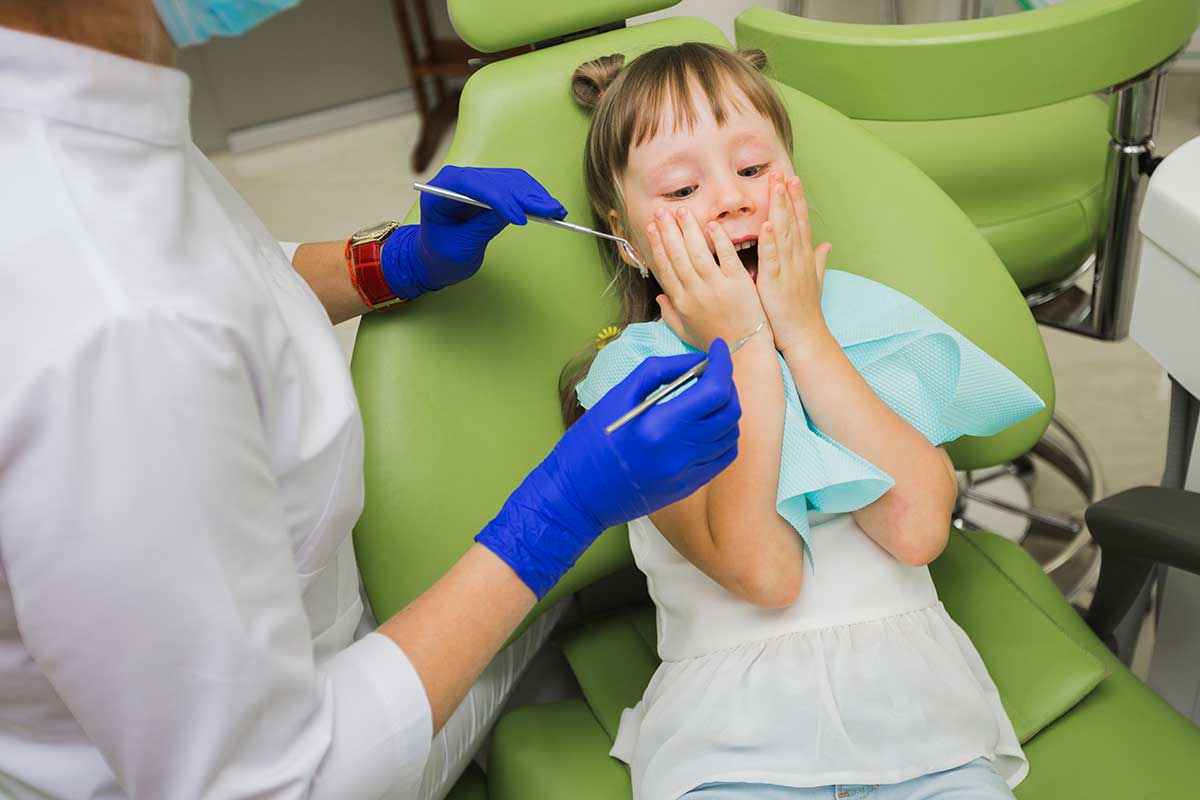
For many children, a visit to the kids dentist can be stressful and uncomfortable. In such cases, dental treatment under general anesthesia provides an effective solution, allowing procedures to be performed calmly, painlessly, and without emotional distress. General anesthesia in dentistry is typically recommended when extensive treatment is required, the child has severe dental anxiety or is unable to remain seated for an extended period.
What Is Dental Treatment Under General Anesthesia?
During general anesthesia, the child is placed into a medically induced sleep. This enables the dentist to complete all necessary treatment with a single visit. Throughout the procedure, the child’s condition is continuously monitored by an anesthesiologist. Modern monitoring equipment tracks all vital signs, including breathing, heart rate, blood pressure, and blood oxygen saturation. Before anesthesia is administered, the child undergoes a comprehensive medical evaluation to assess their overall health, identify any contraindications, and determine the safest anesthesia plan.
Types of Anesthesia Used in Modern Pediatric Dentistry
Modern anesthesia is safe when administered appropriately and is selected individually based on the child’s age, weight, overall health, and the extent of the required treatment.
Local Anesthesia. Local anesthesia is the most common method of pain control. The anesthetic is injected into the treatment area, eliminating pain while allowing the child to remain awake and communicate comfortably with the dentist.
Sedation. Sedation is commonly using a nitrous oxide–oxygen mixture (“laughing gas”), which helps children relax while remaining conscious and able to follow the dentist’s instructions.
General Anesthesia. General anesthesia is used in complex clinical cases, when extensive dental treatment is required, or when treatment cannot be performed using other methods. During the procedure, the child remains in a carefully controlled medically induced sleep and does not experience discomfort.
What Dental Treatments Can Children Receive Under General Anesthesia?
General anesthesia allows dentists to complete nearly all necessary dental procedures during a single appointment.
Cavity Treatment. The dentist can treat cavities affecting multiple teeth in one visit, which is especially beneficial for children with extensive tooth decay.
Treatment of Advanced Tooth Decay. Conditions such as pulpitis and periodontitis often require longer treatment. Under general anesthesia, these procedures can be completed without causing discomfort to the child.
Tooth Extraction. General anesthesia allows the painless extraction of primary teeth, as well as complex permanent teeth, when clinically indicated.
Professional Dental Cleaning. Comprehensive professional cleaning can also be performed during treatment, including the removal of soft plaque and hardened dental deposits.
Tooth Restoration. If necessary, fillings, pediatric crowns, and other restorative procedures can be completed to rebuild damaged teeth.
Comprehensive Dental Treatment. One of the greatest advantages of general anesthesia is the ability to perform multiple dental procedures during a single appointment, significantly reducing the number of visits to the clinic.
Frequently Asked Questions
General anesthesia is recommended only when medically indicated. Common reasons include:
• Extensive dental treatment;
• Severe fear of dentist;
• Children under 3–4 years of age;
• A pronounced gag reflex;
• Inability to remain still during treatment;
• Certain neurological conditions or developmental disorders;
• The need for complex oral surgical procedures.
The final decision is made jointly by the pediatric dentist and the anesthesiologist after evaluating the child’s medical condition.
When performed in accordance with modern medical standards, general anesthesia is considered a safe method of pain management. Before the procedure, a thorough medical assessment is conducted to rule out contraindications. Throughout the treatment, the anesthesiologist continuously monitors the child’s vital signs. After the procedure, the child remains under medical supervision until they have fully recovered from anesthesia.
When performed in accordance with modern medical standards, general anesthesia is considered a safe method of pain management. Before the procedure, a thorough medical assessment is conducted to rule out contraindications. Throughout the treatment, the anesthesiologist continuously monitors the child’s vital signs. After the procedure, the child remains under medical supervision until they have fully recovered from anesthesia.
Conclusion
Modern anesthesia enables pediatric dental treatment to be performed safely, comfortably, and without pain. Individualized selection of the appropriate anesthesia method, the use of high-quality medications, and continuous monitoring throughout the procedure allow even complex treatments to be completed without unnecessary stress.
At Perfect Smile Dental Clinic, modern anesthesia techniques are successfully used in both pediatric and adult dentistry, providing patients with safe and comfortable dental care.