

Modern pediatric orthodontics offers various systems for correcting bite problems and aligning teeth. The choice depends on the child’s age, the stage of jaw growth, and the complexity of the problem.
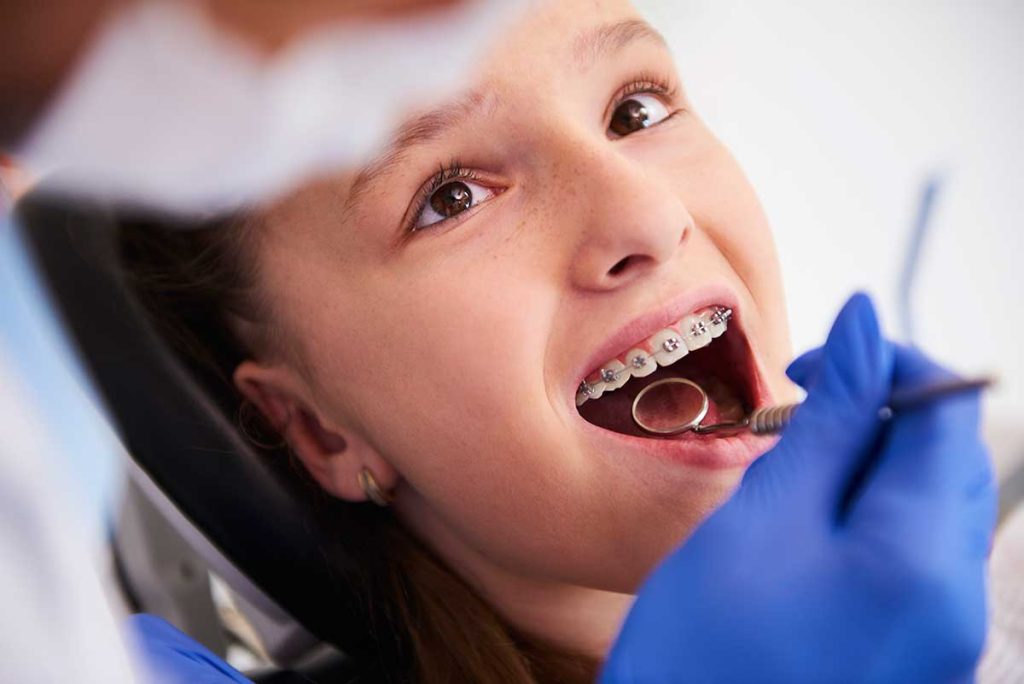
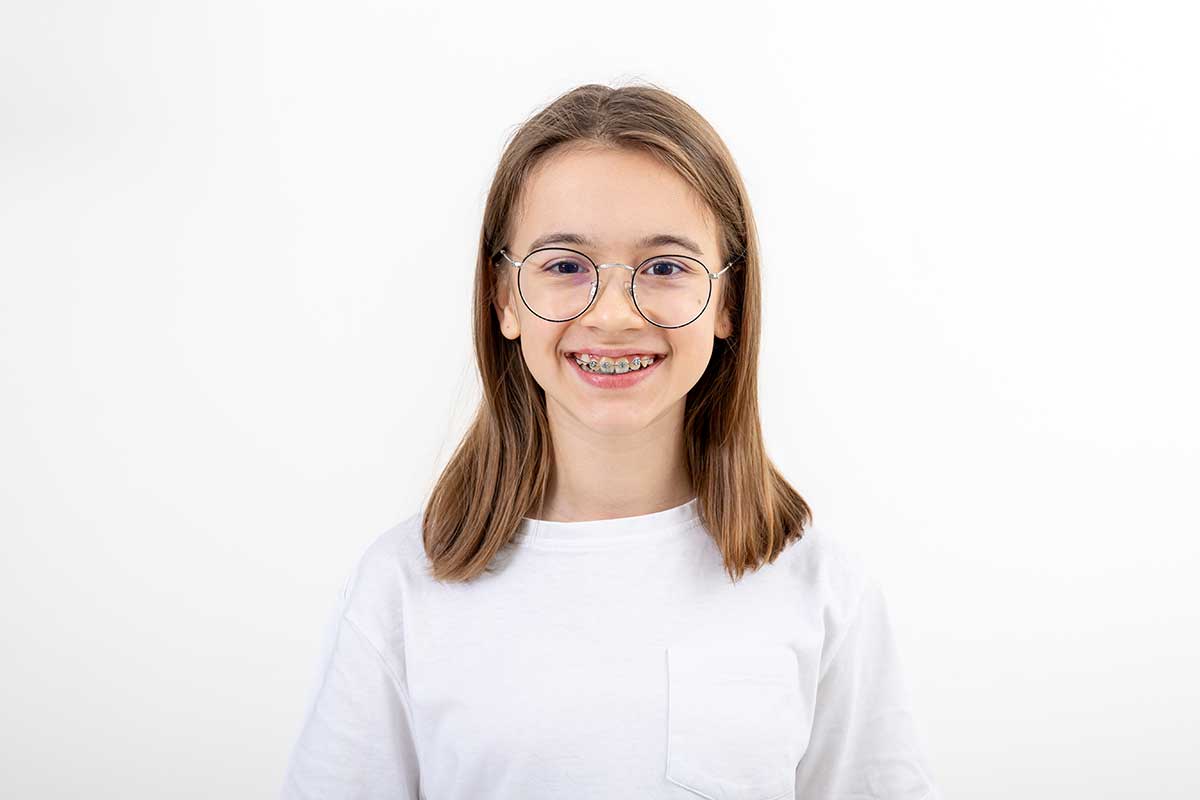
- Metal braces. These are the most reliable and effective systems for correcting bite problems. They work well even for complex tooth alignment issues. For children, orthodontists often use colored ligatures (elastic bands), allowing the child to choose their favorite colors and make the treatment more fun.
- Ceramic braces. A more aesthetic option. The brackets are designed to match the natural color of the teeth, making the system less noticeable than metal braces while still remaining effective.
- Aligners — Invisalign First. These are transparent removable trays that gradually move teeth into the correct position. They are nearly invisible, easy to maintain, and can be removed while eating and brushing teeth. They are often used in children during the mixed dentition stage.
- Plates. These removable devices are usually used at the early stages of treatment (around ages 6–10). They help expand the jaw, create space for permanent teeth, and guide the proper growth of the dental arches.
Sometimes treatment is carried out in several stages: plates in early childhood, followed by braces later on.
Stages of Orthodontic Treatment
1. Diagnosis. Treatment always begins with a thorough examination. The orthodontist evaluates the condition of the teeth, the bite, and the growth of the child’s jaws. For an accurate diagnosis, X-rays, photographs, and 3D scans of the teeth may be used. This allows the doctor to create an individualized treatment plan and choose the most suitable system.
2. Installation. The process of installing braces is painless and usually takes about one hour. The dentist carefully attaches the braces or provides custom aligners/appliances and explains in detail to both the child and the parents how to wear and care for the system.
3. Active Treatment Phase. During orthodontic treatment, the child visits the orthodontist regularly (usually every 4–6 weeks). The orthodontist adjusts the archwire and monitors how the teeth are aligning and how the correct bite is forming.
4. Adaptation. During the first few days, the child may feel slight pressure on the teeth: this is a normal reaction as the teeth begin to move. To help the child adapt to the new sensations during the first days, it is recommended to:
- choose soft food during the first few days;
- use orthodontic wax if necessary;
- maintain thorough oral hygiene;
- support the child and explain that these sensations are temporary.
Over time, the child will get used to the system, and the treatment will become part of everyday life.
5. Completion of Treatment and Retention. Once the teeth are aligned, the braces are removed. To maintain the results, retainers or mouthguards are prescribed to help preserve the new, beautiful smile.
Life with Braces: Hygiene and Diet
When a child begins orthodontic treatment, it is important to slightly adjust daily dental care and eating habits. This helps protect tooth enamel and prevents damage to the braces system.
1. Brushing. When wearing braces, special attention must be paid to oral hygiene. Food particles can easily get trapped around the brackets and archwire, so it is recommended to use:
- special toothbrushes with V-shaped bristles;
- interdental brushes to clean the spaces between the braces and the archwire;
- irrigator or dental floss.
By the way, to prevent plaque buildup and cavities, it is best to brush your teeth after every meal.
2. Diet. Some foods can damage braces or get stuck in them, so it is helpful to slightly adjust the child’s diet. It is better to avoid:
- very hard foods (nuts, crackers, lollipops);
- sticky sweets (toffee, caramel, chewy candies);
- foods that require biting into them forcefully (for example, whole apples).
Safe foods include:
- soft fruits and vegetables (preferably cut into small pieces);
- porridge, soups, and pasta;
- fish, eggs, and soft meat;
- yogurt and cottage cheese.
The first few weeks are a period of getting used to braces. Support your child! This will make the treatment much easier.
Briefly about the Most Important Things (FAQ)
Do you know which questions concern even the most well-informed parents? Let’s answer the most common questions parents ask during an orthodontic consultation.
- How long does the treatment take? On average, orthodontic treatment lasts about 1.5–2 years. However, the duration may vary depending on the child’s age, the complexity of the bite, and the type of system used. In some cases, minor issues can be corrected faster, while more complex problems may require longer treatment and observation.
- Do braces damage tooth enamel? No, braces themselves do not damage tooth enamel. Problems may occur only if oral hygiene is insufficient and plaque accumulates around the brackets. If the child brushes regularly and properly, uses special cleaning brushes, and attends preventive dental check-ups, the enamel remains healthy.
A beautiful smile is an investment in your child’s future
A proper bite and healthy teeth build self-confidence, helping children smile freely, communicate easily, and feel comfortable in any situation. Book a consultation at Perfect Smile Kids Dental Clinic today and take the first step toward your child’s beautiful and healthy smile!