

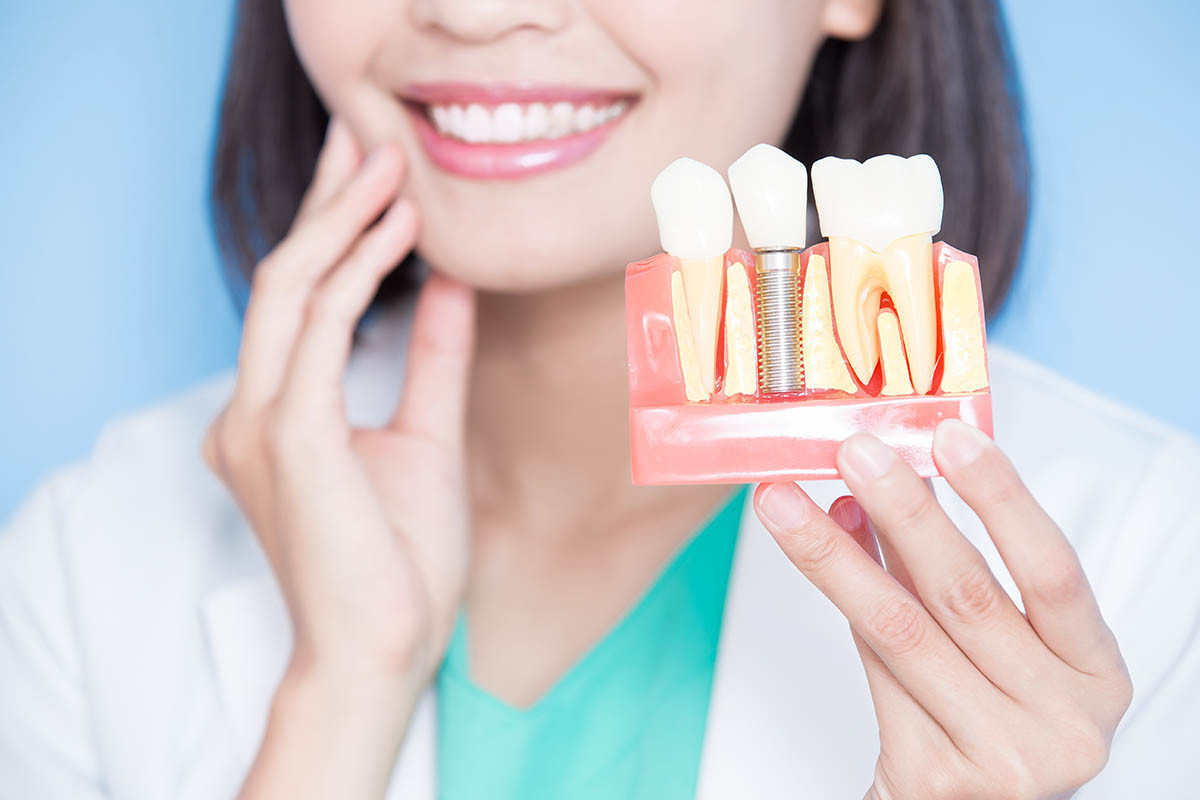
Modern technologies make it possible to restore the integrity of the dental arch, improve aesthetics, and enhance quality of life. Manufacturers emphasize that dental implants are highly durable and this is true. However, this does not mean that dental implantation eliminates the need for regular oral care. If oral hygiene is neglected, inflammation around the implant is inevitable.
Possible side effects after dental implantation
The long-awaited procedure has finally been completed successfully. The dental implant is in place, and your Hollywood smile is now your calling card. However, you may still experience some discomfort. These symptoms can be normal postoperative reactions, such as mild pain, swelling and bruising, bleeding, a runny nose, or fever. In most cases, they resolve quickly. If pain persists for more than a week, this should raise concern. It may be a warning sign that something has not gone as planned, and you should seek medical attention immediately. Let’s take a closer look at the possible side effects that may occur after dental implantation:
- Increasing, throbbing pain
- Severe swelling and redness
- Persistently high fever
- Heavy bleeding
- Purulent discharge
- Wound dehiscence
- Numbness of the cheek or jaw.
If these symptoms are ignored, serious complications may develop. These may include inflammation and implant rejection caused by an allergic reaction to the implant materials. Another possible complication is peri-implantitis, which is accompanied by pain, swelling, bleeding, pus discharge, fever, unpleasant odor, exposure of the fixture, and implant mobility. There are many causes of peri-implantitis, including genetic predisposition, diabetes mellitus, smoking, dental errors (incorrect selection of implant parameters, positioning, or fixation type), as well as bone osteolysis, accumulation of plaque with bacteria, and periodontitis resulting from inadequate oral hygiene.
How to care for dental implants immediately after surgery
After the procedure, the implantologist provides the patient with detailed recommendations and care instructions that must be followed to ensure proper healing without complications. During the first 24 hours, cold compresses should be applied to the cheek to reduce swelling, and the mouth should be rinsed with antiseptic solutions. Hot, cold, salty, acidic, spicy, and hard foods should be avoided. Alcohol consumption and smoking are strictly prohibited, and hot showers should be avoided. The following day, oral antiseptic rinses should be continued. Gentle tooth brushing with a soft toothbrush may be started, avoiding the surgical area. Physical exertion, overheating, and overcooling should be avoided, and sleeping on the back is recommended. Over the next few days, the diet can be gradually expanded, while hard foods should still be avoided. Proper oral hygiene must be maintained. Most importantly, regular follow-up visits to the implantologist are essential to monitor healing, and all medical instructions should be followed strictly.
Caring for implants after crown placement
The most important thing, whether it’s your natural teeth or implants, crown, is maintaining proper oral hygiene. This means brushing not only in the morning and evening but also after every meal. Want to avoid complications? Follow these simple rules:
- Brush your crowns with a medium-soft toothbrush using sweeping motions and a low-abrasive toothpaste.
- Use an irrigator to effectively remove food debris from between teeth and clean orthodontic appliances.
- Use floss with a stiff tip (superfloss).
- Avoid excessive pressure, especially during the first few months.
- Visit your stomatologist at least every six months for professional cleaning.
- Quit smoking.
Poor or inadequate care can lead to serious complications, such as mucositis, peri-implantitis, implant exposure or rejection, sinus inflammation (sinusitis), and more.
P.S. In this article, we have addressed important issues regarding the post-surgical period after dental implantation. We hope we have answered the key questions about caring for implants and maintaining oral hygiene. Remember – your health is in your hands.